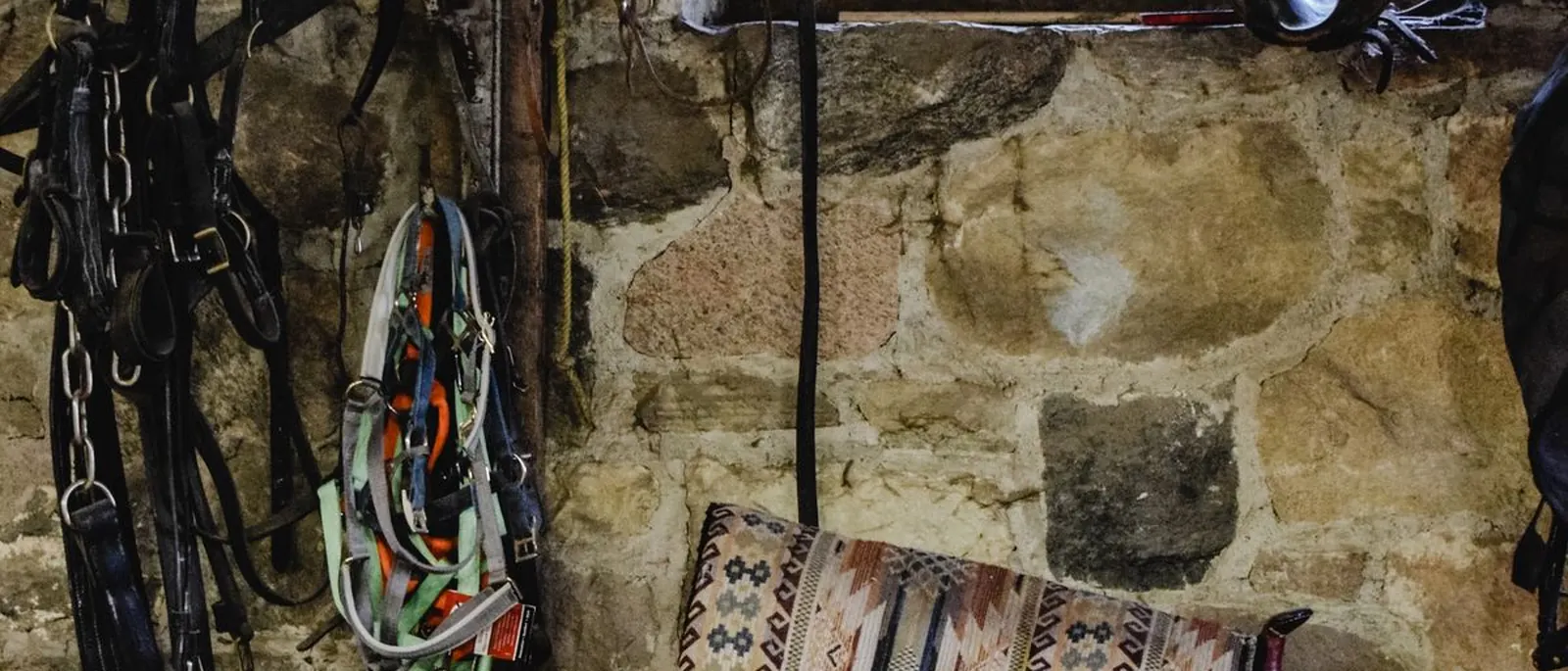
Junior Rodeo Events: A Kansas Youth Rodeo Catalog
Independent catalog of junior rodeo events, disciplines, rules, and the season calendar in Kansas.
6 entries shown
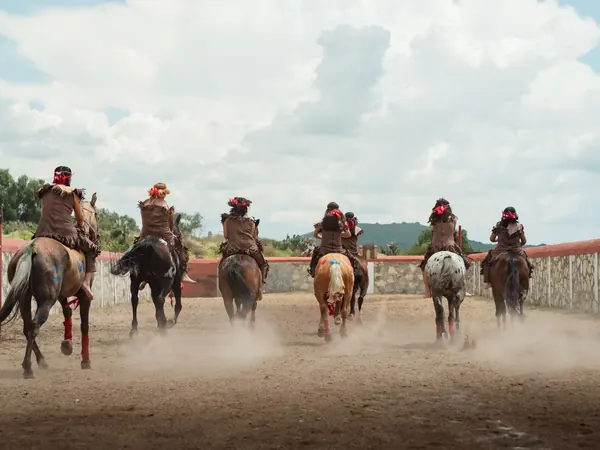
Events
Barrel racing, pole bending, goat tying, roping, and team roping, with the age groups that take part.
Disciplines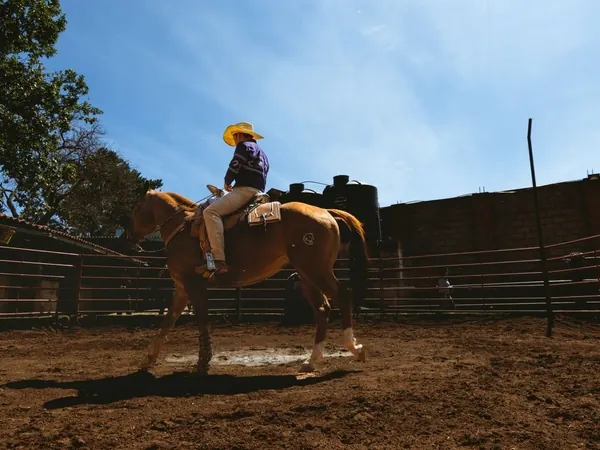
Rule Book
General regulations, event rules, age group requirements, and safety standards.
Age groups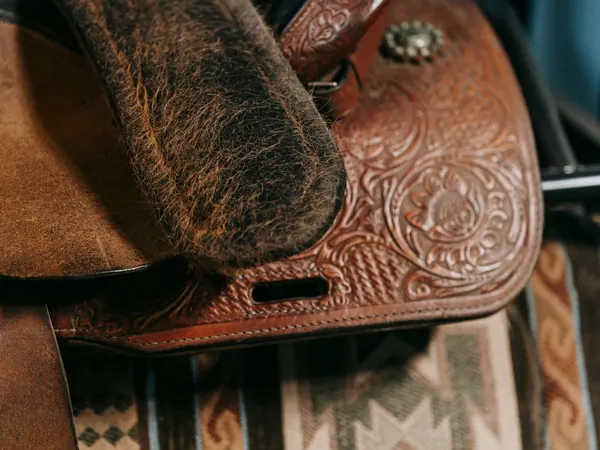
Forms
The paperwork that is common in youth rodeo: entries, waivers, consent, and medical releases.
Age groups
Results & Standings
How points are awarded, how standings tables are read, and where official results appear.
Competition types
Schedule
The usual shape of a Kansas season, from spring events to fall finals.
Competition types
Hook-ups & Stalls
Electrical and water hookups, stall types, and parking at rodeo venues.
Competition typesSections
Forms
Entry, waiver, and consent paperwork for youth rodeo.
Schedule
Season structure and planning for junior events.
Events
Disciplines and age groups in one catalog.
Rule Book
Regulations, safety, and penalties in summary form.
Results & Standings
Points, standings, and tie-breaking overview.
Sponsors
How sponsorship supports youth rodeo events.
Popular Disciplines
Barrel Racing
A timed pattern around three barrels that tests speed and turning.
DisciplinesPole Bending
A timed weave through a line of poles, often a first timed event.
DisciplinesGoat Tying
A timed ground task that tests coordination and handwork.
DisciplinesTeam Roping
A partnership event in which two riders work together.
DisciplinesThis catalog describes the junior rodeo events held in Kansas, the disciplines and age divisions that make up the sport, the equipment and protection that young competitors use, and the way training, safety, and scoring work at a typical youth event. It also gives an overview of the rules, the season calendar, and the results and standings that families usually look for. The site is an independent reference. It does not organize competitions, accept entries, or take payments, and it does not publish the contact details of organizers, sponsors, or participants.
What Is a Junior Rodeo?
A junior rodeo is a competition for young riders in which each contestant performs a set of timed or judged events on horseback or on foot. The events are grouped into disciplines, and each discipline has its own arena setup, scoring method, and safety requirements. Junior rodeos are organized by local clubs, associations, and venues, and most of them follow a published rulebook that sets out the classes, the eligible age groups, and the penalties for rule violations.
The purpose of a junior rodeo is usually described as developing horsemanship, sportsmanship, and responsibility in young people. Events are scheduled by age division so that younger children compete with others of similar age and experience. The format is closer to a sports meet than to a show, and results are published after each performance.
Core Disciplines in Youth Rodeo
The most common junior rodeo disciplines are the timed speed events, the pattern events, and the roping events. Barrel racing and pole bending are timed runs around a set course of markers. Goat tying and breakaway roping are timed ground and roping tasks. Team roping pairs two riders who work together on a single steer. The exact course layout, penalty times, and allowed equipment are set by the sanctioning body, so the same discipline can differ in detail from one association to another.
Some youth programs also include novelty and flag events, drill-style events, and games for the youngest divisions. These events are usually shorter and less demanding, which gives beginners a chance to learn the arena and the horse before moving to timed events.
Age Groups and Divisions
Junior rodeo divides competitors into age groups. Many groups start with a youngest division for the smallest riders and continue through several bands up to the late teens. Each association decides its own boundaries, the date on which age is measured, and the events open to each group. For that reason, this catalog does not present a single age table for Kansas as if it were official. Families should use the current rulebook of the organizing association for any specific season.
Moving between divisions is generally handled by the rulebook as well. Some programs allow a competitor to enter a higher division early in a season, while others require a fixed birth-date cut-off. Where the rules allow more than one division, the choice is usually recorded at registration.
Essential Gear for Young Riders
Typical gear for a junior competitor includes a properly fitted riding helmet, boots with a defined heel, gloves for roping and rein handling, a western saddle sized for the horse and rider, and clothing that does not restrict movement. Some events also require protective vests or chaps under the rules of the sanctioning body. Gear requirements are not the same in every discipline, so the rulebook for each event should be checked before the season begins.
Safety Rules Every Parent Should Know
Safety in junior rodeo rests on three elements: the rules for each event, the supervision provided at the venue, and the condition of the horse and equipment. Rulebooks typically address warm-up areas, the presence of an adult at the arena gate, the handling of loose horses, and the procedures after a fall. Parents usually review these sections before the first entry and confirm that the venue follows them on the day.
Medical preparedness is another common focus. Events often specify who may attend the arena, what first-aid support is expected, and how an injury is reported. None of this replaces the judgment of the adults responsible for a child on a given day.
How Scoring and Standings Work
Scoring in junior rodeo depends on the discipline. Timed events are scored by the clock, with penalties added for knocked markers, missed tasks, or breaks of the course pattern. Judged events are scored by one or more judges against a published set of criteria. Points from individual events are normally added to a season standing, and the standing decides the qualifiers for finals or championships.
Standings are updated by the organizer after each event. The exact point values, the minimum number of events for a standing, and the tie-breaking method are defined by the association and can change between seasons.
Season Calendar and Major Events in Kansas
The Kansas junior rodeo season is organized by several local and regional groups, and dates vary from year to year. This catalog describes the usual structure of a season, with spring and summer events, a series of regular competitions, and fall finals, but it does not list specific dates or venues. Current calendars are published by the organizing groups and are the reliable source for planning.
FAQ
Is rodeo safe for young children?
Junior rodeo sets safety rules for each event, and the level of risk depends on the discipline, the horse, and the supervision at the venue. Families usually review the rulebook, the equipment requirements, and the arena procedures before the first entry.
What events are best for beginners?
There is no single answer. The choice depends on the child's age, experience with horses, and the program offered locally. Younger divisions often begin with introductory or pattern-based events before moving to timed events.
How do I find a local youth rodeo?
This catalog does not list event dates or venues. Local youth rodeo information is usually published by the organizing club, the venue, or the state association.